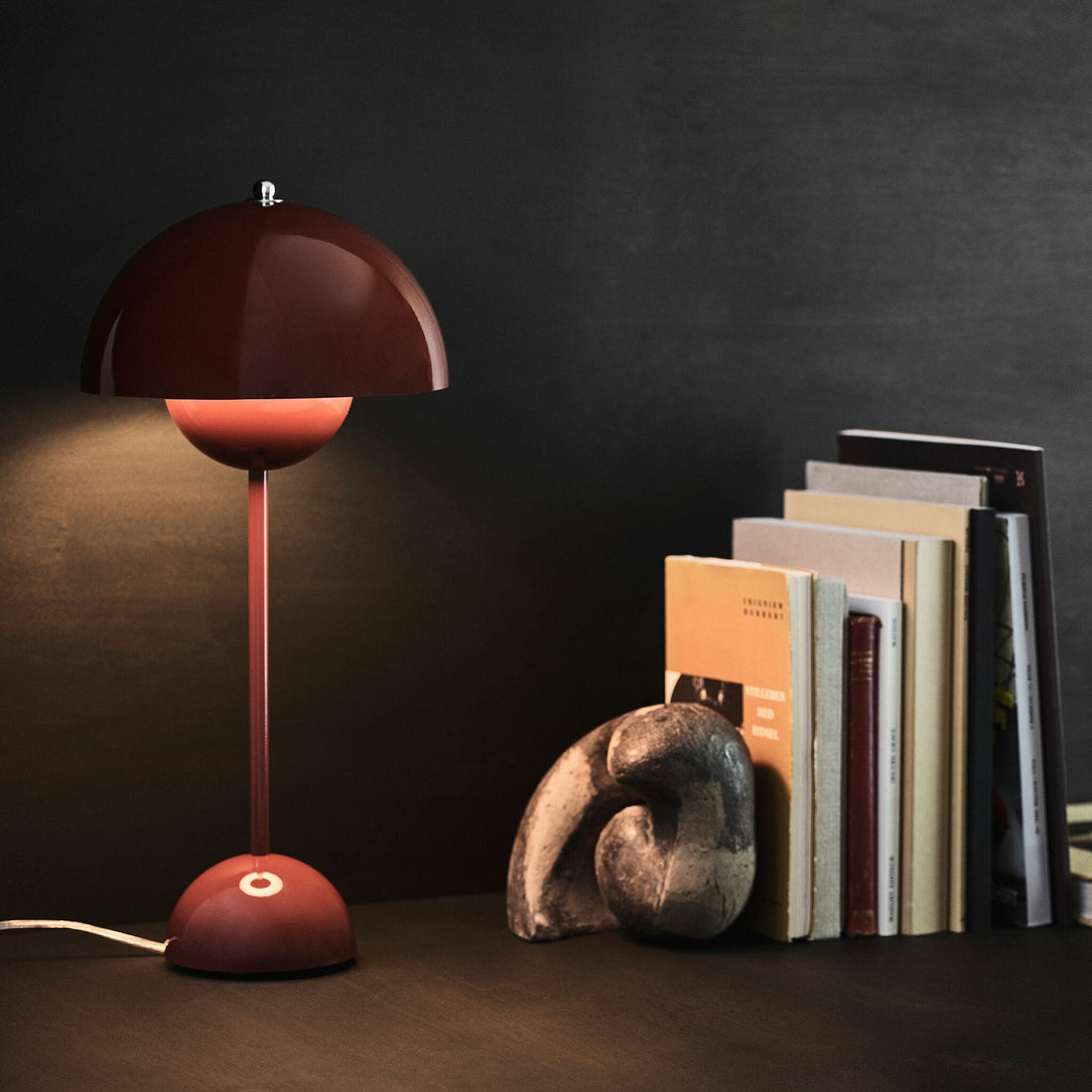
How to furnish a large room: creating a cosy feel in spacious living areas
Large rooms offer countless possibilities: plenty of light, open floor plans and space for special pieces of furniture. No wonder spacious lofts, open-plan living areas and generous dining rooms are so popular with interior lovers.
But that very spaciousness can also be a challenge. A large room can quickly feel empty, cold or impersonal if furniture, colours and lighting aren't properly coordinated.
With the right design ideas, though, you can turn any large space into a harmonious living area. What matters is a good concept, a clear structure and the right balance between openness and comfort.
Furnishing a large room: start with a concept
Before you choose furniture or decide on colours, ask yourself one basic question: what atmosphere should the room have?
After all, your interior is always an expression of your personality. Think about:
- What should my home convey?
- Do I want to create a calm, elegant or lively atmosphere?
- Which pieces of furniture and materials make me feel at ease?
A personal mood board is a good source of inspiration. Collect colours, fabrics, materials, images and interior ideas you like. That way you'll quickly see which elements go well together and which style suits you.
A common thread: creating connections in large rooms
The larger a room is, the more important a unifying design element becomes. Without a clear line, different furniture groupings can quickly look like separate islands.
Recurring colours or materials create a cohesive overall look:
- A particular colour family can reappear in wall colours, rugs, cushions or accessories.
- Materials such as wood, stone or metal create a visual link between different areas.
- Recurring shapes make the overall look feel calm.
A deliberate mix of patterns can work too. The key is that colours, patterns and materials relate to each other rather than looking randomly combined.
Dividing a large room into functional zones
A large room doesn't have to serve a single purpose. Open-plan living areas in particular benefit from having different zones.
A large space could become, for example:
- a cosy sofa lounge
- a dining area for family and guests
- a reading corner
- a workspace
- an area for art or personal collections
How to create visual room dividers:
Rugs:
A large rug defines a living area and visually holds it together.
Shelving and sideboards:
Open shelving systems or sideboards can act as elegant room dividers without taking away the room's sense of space.
Corner and modular sofas:
Large sofas, or two sofas facing each other, create a clear area for conversation.
Colours and wallpaper:
Different wall treatments within one colour family can set individual areas apart.

Be bold with colour: large rooms can handle strong shades
Many people automatically reach for white in large rooms. That can work, but generous spaces also give you the chance to experiment with stronger colours.
Deep shades such as petrol, dark green or warm earth tones can give large rooms more depth and a sense of shelter.
If you prefer a light scheme, natural materials add warmth:
- wood brings a natural feel
- stone adds texture
- textiles make it cosy
It's important not to combine too many different colours and materials. A clear colour palette creates calm.
Large furniture for large rooms
Large rooms need furniture that's in proportion with the space. Small individual pieces can easily get lost in generous floor plans.
Particularly suitable are:
- generous corner and modular sofas
- long dining tables
- comfortable recliners
- large shelving systems
- striking design furniture
Large-format furniture gives the room structure and creates a feeling of comfort at the same time.
Lighting plays an important role too. A large pendant light above the dining table or a sculptural floor lamp can be more than a light source – it can be a real design object.
The right lighting for large rooms
In spacious living areas, a single light source is usually not enough. Several pools of light create atmosphere and give the room structure.
A good combination consists of:
- general lighting from ceiling lights
- pendant lights above tables
- floor lamps for cosy corners
- indirect light from wall lights or table lamps
In the evening especially, several light sources make the room feel homely rather than too vast.
Making the most of large walls
Large wall surfaces are a real opportunity. Instead of leaving them bare, you can design them deliberately.
Options:
- a large-format artwork as a focal point
- a personal picture gallery
- a salon-style hang with lots of pictures
- a wall-to-wall shelving system
- In large rooms in particular, art and decoration can be more generous in scale.
Textiles: more warmth and better acoustics
Because of their size, large rooms can sometimes echo. Textiles are especially valuable here, as they improve not only the look but also the acoustics.
Suitable options:
- large rugs
- curtains
- cushions
- throws
- upholstered furniture in soft fabrics
They add texture to the room and create a cosy atmosphere.
Using decoration with purpose
With accessories, too, the rule is: fewer, but more considered.
Individual favourite pieces work particularly well in large rooms when they're given enough space. It's best to arrange decorative objects in small groups:
- three to five objects as a harmonious unit
- similar colours or materials as a unifying element
- personal mementoes for individuality
The result is a room that feels spacious yet still shows personality.
Conclusion: large rooms need big ideas
A large living space is a special design opportunity. With clear planning, furniture in the right sizes, harmonious colours and a well thought-out lighting concept, you can create a home with an impressive atmosphere.
The most important rule: make use of the room's generous proportions without overloading it. Because above all, large rooms need one thing too – a feeling of home.