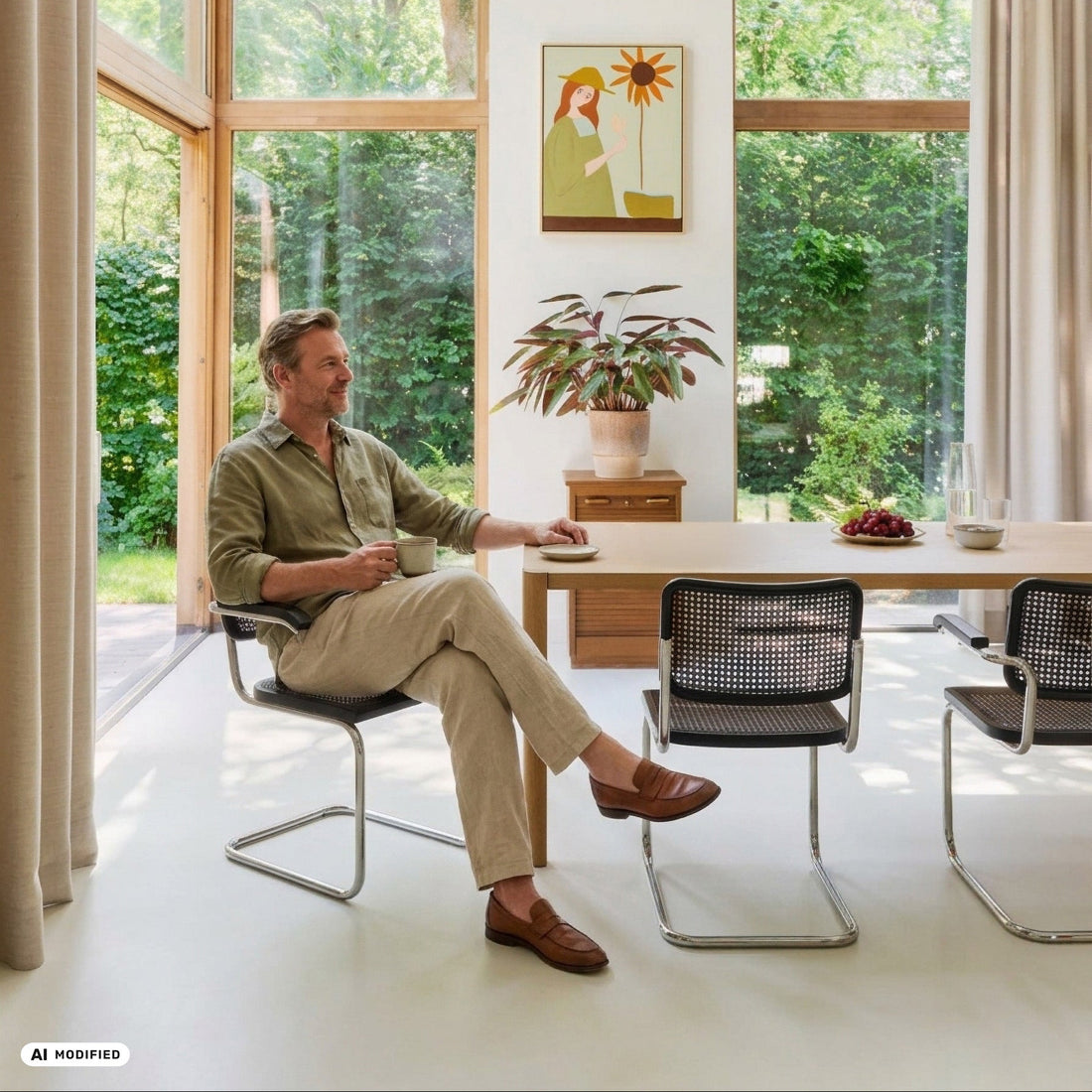
Light changes the way we experience spaces. It determines whether a home energises you in the morning, helps you unwind in the evening or sets the scene for a special moment. This emotional effect of light was the focus of the international design fairs in 2026.
Visiting events such as 3daysofdesign in Copenhagen in Denmark and other international interior fairs, one thing became clear: the future of lighting is no longer just about which lamp hangs above the dining table. The crucial question is: what atmosphere does light create?

The lighting trends for 2026/27 show a new attitude towards lighting. Lights are becoming architectural elements, decorative objects and companions in everyday life. Materials, craftsmanship and the way light changes a room are coming more into focus.
From sculptural light objects and textile surfaces to sustainable materials: the latest lights for 2026 combine technical innovation with craftsmanship and emotional interior design.

The key lighting trends for 2026/27 at a glance:
- Atmosphere rather than just lighting: light creates retreats, supports wellbeing and shapes spaces emotionally.
- Materials and craftsmanship matter more: glass, metal, textiles and special finishes turn lights into tactile design objects.
- Sustainability becomes visible: recycled materials, durable construction and honest ageing define new designs.
- Sculpture meets integration: eye-catching light objects stand alongside almost invisible lighting systems.
- Colour and chrome add accents: burgundy, plum, lilac, orange and moss green meet shiny metal finishes.
- Textile lights create warmth: fabric shades and textile structures bring a homely quality of light.
1. Atmosphere rather than "just" lighting: light as a mood-maker

One of the most important lighting trends for 2026/27 marks a fundamental shift: light is no longer judged only by its brightness, but by the way it makes us feel.
At the international design fairs, it became clear that lights are increasingly shaping spaces emotionally. They create moments of calm, help us relax and give areas of the home a special atmosphere. Light thus becomes a design element that influences our wellbeing.

This approach is becoming especially important in private spaces. Home is increasingly seen as a place for retreat and regeneration. A soft lighting mood in the evening, a warmly lit reading corner or a carefully placed light source in the bedroom create small zones that are set apart from the hectic pace of everyday life.
Light for greater wellbeing

The current lighting trends for 2026 are guided more by one question: how should a room feel?
It's not about as many light sources or as much brightness as possible, but about the right mood for each moment:
- warm light for relaxed evenings
- soft lighting for calm and slowing down
- targeted accents of light for your favourite spots

Light that adapts to the room
As table, wall or floor lamps, the lights from Northern create targeted accents and can be used in different ways depending on where you need them. Many models combine a clean shape with practical details such as adjustable heads or flexible positioning. This lets you create individual zones of light for reading, working or relaxing without having to light the whole room evenly.
In this way, lights become companions in everyday life. They support rituals, create atmosphere and help you experience spaces more consciously.
The trend shows that good light doesn't just make a room brighter – it changes how we feel in it.
2. Materials and craftsmanship: why a light's surface is becoming crucial
With the trend lights of 2026, it's not just the shape that matters. How materials interact with light is becoming increasingly important.
The international design fairs showed a clear focus on high-quality finishes and traditional techniques. Light isn't simply emitted from a lamp body, but filtered, reflected and transformed by materials.
Especially in demand:
Glass: transparency and plays of light

Glass continues to have a strong presence in lighting design. From mouth-blown glass to textured surfaces, the result is lights that act as design objects by day and change their effect when lit in the evening.
The combination of transparency and refraction creates a lively atmosphere that changes with the time of day.
Metal: between precision and warmth

Metal remains an important material for modern lights in 2026. New interpretations of chrome and brushed metal finishes are particularly striking.
While chrome was long associated with cool elegance, today it's combined in warmer ways: with textiles, colourful elements or organic shapes.

The combination of shiny metal and rich colours is one of the most striking developments of the coming season.
Textiles: lights get a softer side

Textile lights are a particularly exciting trend for 2026/27. More on this below.
Fabric shades bring a new tactile quality to lighting design and create a particularly soft light. They combine the function of a light with the homeliness of a textile, making them a perfect fit for the move towards cosier, multisensory spaces.

Brands such as New Works and HAY take up this approach with designs that sit somewhere between furniture, object and light source.
3. Visible sustainability: design with a traceable story

Sustainability remains one of the central themes in lighting design in 2026. But expectations are changing: it's no longer just about using a sustainable material. What matters is the whole story behind a product.
Where does the material come from? How was it processed? How can a light be repaired or reused?
New sustainable lights are increasingly open about their origins. Recycled materials, reused components and durable construction are becoming part of the design.
This brings a new view of ageing and patina. Not every surface has to stay perfect and flawless. Materials can show traces of use and develop their own story over time.
This attitude suits brands that combine traditional craftsmanship with contemporary design particularly well. The Scandinavian design scene is setting important impulses here: fewer short-lived trends, more durable objects with a clear material identity.

One example is the work of Secto Design. The Finnish brand stands for handmade wooden lights made from PEFC-certified Finnish birch. Each light is carefully crafted by hand and shows the natural texture of the material. The light isn't just emitted, but gently filtered through the wooden slats.
4. Sculptural lights and integrated lighting architecture: between statement and invisibility

One of the most exciting developments in the lighting trends for 2026/27 is the growing connection between light and architecture. The international design fairs made it clear that the classic division into "beautiful light" and "functional lighting" is increasingly dissolving.
Lights are either deliberately put on show or integrated into spaces so that they're almost invisible.
Both approaches have the same goal: light should shape the atmosphere of a room.
Light objects as spatial sculptures
At the fairs, we came across many lights that work almost like works of art. Their job isn't just to light a room. They add an architectural accent and change the way their surroundings are perceived.
Designs in which light plays across surfaces, and the materials themselves become part of the lighting effect, are particularly interesting.

One example is sculptural metal objects in which reflections, shadows and movement create a composition of their own. Much like a sculpture, the result is an object that changes over the course of the day: through its form by day and through its light in the evening.
This development points in a clear direction for the years ahead: the designer light of 2026 isn't just looked at – it's experienced.
The light merges with architecture
At the same time, a second approach is emerging: light is increasingly fading into the background.
Integrated lighting systems, furniture lighting and architectural solutions create spaces in which the focus is not on the light itself but on its effect.

In high-end interior design in particular, this creates a new balance. Visible lights add personality, while integrated light sources create calm.
So the future doesn't belong to a single style. It combines expressive light objects with intelligently planned lighting landscapes.
5. Colour and chrome: lights in 2026 add bold accents

After years of natural tones and understated materials, 2026 brings more colour back into lighting design.
Intense shades were particularly prominent at the design fairs:
- burgundy and dark red
- plum and berry tones
- lilac and soft shades of violet
- orange
- moss green
- warm yellows

These colours often appear in combination with shiny metal finishes.
The new PH 5 320 Opal by Louis Poulsen also picks up on this trend: its coloured opal shades add subtle accents while providing soft, even light distribution.
Chrome remains an important lighting trend in 2026
The chrome trend continues in lighting. After its comeback in interior design, the material is now appearing more and more in lights.

In 2026, chrome looks less cool and technical than it used to. Designers are combining its reflective surface with soft shapes, warm light and colourful elements.
The result: lights that feel modern and homely at the same time.
Particularly exciting combinations include:
- polished chrome and textile materials
- metal and strong colours
- shiny surfaces and organic shapes
These contrasts make the current trend lights especially versatile.
6. Textile lights: warmth through material and texture

Textile surfaces are another major lighting trend for 2026.
While classic lampshades were often made of glass or metal, designers are rediscovering fabric as an important design element.
Textile lights combine several advantages:
- They create a particularly pleasant, diffused light.
- They create a homely atmosphere.
- They add extra texture to a room.
- They bring lighting and interior design together.

In the bedroom, the living room or above the dining table, they create warm pools of light.
The trend fits the wider move towards multisensory living concepts: spaces are designed not just for how they look, but through materials, light, sound and touch.
Brand highlights: the manufacturers shaping the lighting trends for 2026/27
Louis Poulsen: quality of light as a design principle

Few brands stand so consistently for the combination of design history and perfect lighting effect as Louis Poulsen.
Since it was founded, the Danish brand has followed a clear approach: a light is defined not only by its form, but by the light it creates.
Its collaborations with designers such as Poul Henningsen, Arne Jacobsen and Verner Panton have produced numerous classics that still set standards today.

This philosophy is still evident in its new developments. Instead of short-term trends, the focus is on the quality of the light:
- glare-free lighting
- harmonious light distribution
- timeless materials
- clear construction
One example is the further development of portable lighting. Rechargeable lights are changing the way we use spaces: light becomes flexible and follows your daily routine.

These small light sources become especially important in the darker months. They create individual pools of light and turn a table, a windowsill or a patio into a personal spot to spend time.
Flos: where technology meets craftsmanship

Flos is one of the most influential names in international lighting design. Since it was founded in the 1960s, the Italian brand has worked with leading designers, combining technological innovation with craftsmanship and precision.
Many Flos bestsellers show how much attention to detail goes into an iconic light.


Behind these designs is an understanding of craftsmanship that goes beyond mere production. Surfaces are checked, materials are carefully selected and details are designed so that a light works for decades.
It's precisely this combination of longevity and design that makes Flos an important reference for the current lighting trends of 2026.
Umage: award-winning design with function and sustainability
The Danish brand Umage combines Scandinavian aesthetics with functional solutions for modern living.
Many of Umage's award-winning designs reflect an important trend for the coming years: lights are becoming more flexible and adapting to different life situations.

One example is Umage's award-winning Lemon Squeeze Linear. This elongated pendant light combines minimalist design with practical functionality. Its clean shape makes it particularly suitable for dining areas, kitchen islands or workspaces.

The Umage Asteria Move also picks up on the trend towards portable light sources. This rechargeable light combines decorative design with flexibility and shows how lighting is becoming ever more closely intertwined with everyday life.
Umage receives awards above all for its combination of:
- well thought-out function
- timeless design
- responsible use of materials
- a high degree of everyday practicality

This makes the brand a prime example of a new generation of trend lights for 2026 that don't just look good but stay with you for the long term.
&Tradition: timeless light for home offices and living areas

The Danish brand &Tradition shows the role table lamps will play in the living and working spaces of tomorrow. Verner Panton's Flowerpot VP3 and Flowerpot VP4 in particular represent the trend towards homely workspace lighting.

These two lighting classics from the 1960s combine a clean shape with pleasant, glare-free light. On a desk, they create a focused atmosphere without making the workspace feel technical. At the same time, they work as decorative light objects on sideboards, console tables or side tables.
Lights like these are becoming more important in the home office in particular: they create targeted pools of light and help integrate work areas harmoniously into your living space. The Flowerpot series shows why good lighting doesn't just serve a functional purpose but makes a decisive contribution to the atmosphere of a room.
How to bring the 2026/27 lighting trends into your home
The current lighting trends don't mean you have to replace all your lighting. Often, small changes are enough to transform the feel of a room.
1. Several light sources instead of one central light