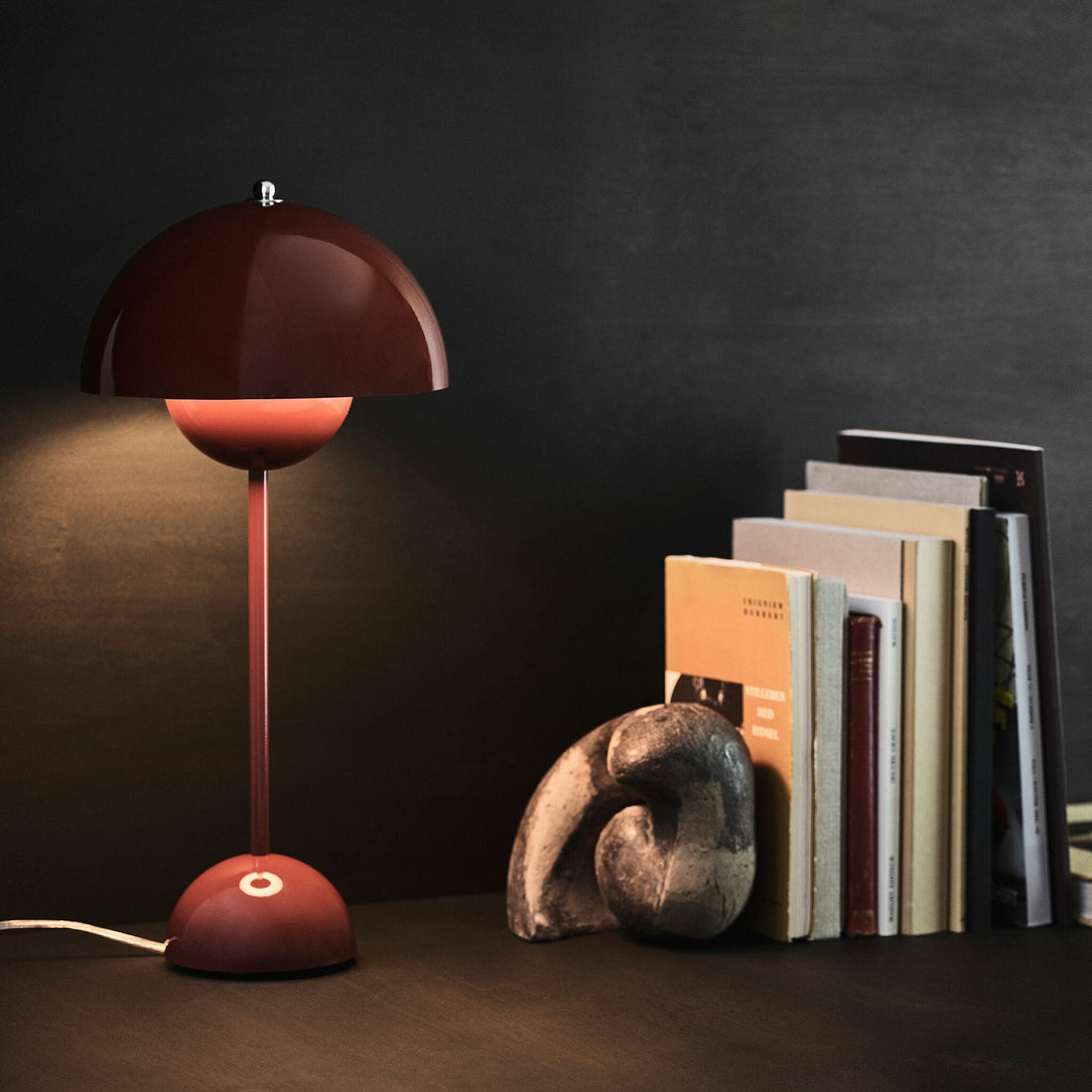
A chaotic, overstuffed wardrobe isn't just unsightly – it also leads to morning decision fatigue and subconscious stress. But getting organised isn't difficult. Our guide shows you how!
Organising your wardrobe – here's how:
- The right layout
- Creating structure with clothes hangers
- A clearer view with lighting
- Storing accessories and small items
- Open wardrobe systems
- Children's wardrobes
- Organising your wardrobe at a glance
1. The right layout
Before you start organising your wardrobe, take stock of what you have. Which clothes do you wear often, which less often, and which not at all? To create order, it's a good idea to sort out clothes you no longer wear.

Take the season into account and move clothes that suit the time of year to the front, with out-of-season pieces further back. Grouping items into categories brings similar pieces together, giving you a practical overview and keeping your clothes within easy reach.
 "Make use of the upper shelves in your wardrobe too. Storage boxes work particularly well on top of the wardrobe. With a step ladder, you can easily reach the items at the back as well." – Viktoria, interior expert
Useful categories include outerwear, underwear, dresses and basics. Always store shoes at the bottom so they don't spread dirt through your wardrobe.
To make choosing your clothes every day easier, we recommend sorting them by colour. It doesn't just look good – at a glance, you can see all the clothes in a colour family and put together an outfit in no time.
2. Creating structure with clothes hangers
Clothes hangers are essential for an organised wardrobe. Hang up your clothes to prevent creases and save space. They're also easy to pick up and put back.

Use matching hangers wherever possible. Even different sizes can make the overall look feel untidy. Pay attention to the number of hangers: there should be enough room to move them along the rail. Around 20 to 30 hangers fit comfortably on a one-metre rail.
3. A clearer view with lighting
Good lighting really brings an organised wardrobe to life. Install lights in your wardrobe so that every area is well lit and you can find your way around easily.

When choosing a bulb, consider the right colour temperature. Choose warm white light (2,300 to 3,000 kelvin) if the lighting is just supplementary and part of the room's overall lighting scheme.
Choose cool white or neutral white light (between 3,500 and 5,500 kelvin) to show the colours of your clothes as accurately as possible. Use dimmable bulbs to adjust the brightness to suit your mood and needs.
Install the lighting on the ceiling above the wardrobe, or use floor lamps if it isn't possible to mount it directly on the wardrobe.
4. Storing accessories and small items
Once all your larger clothes have a place, you can store smaller items and accessories in the wardrobe. Group these into categories too: underwear, bags, headwear and jewellery are some options.

Baskets, boxes, felt inserts or garment bags keep everything neatly stored and looking tidy.

Use clothes hooks to hang individual items on the rail or door. They're easy to attach almost anywhere and can be used in many ways. That way, nothing gets lost at the back of the wardrobe!
5. Open wardrobe systems
Whether it's a clothes rail or a wardrobe, open wardrobe systems can be a real eye-catcher. They put your entire collection on display at a glance – but only look good when everything is tidy.

The same rules generally apply as for a closed wardrobe: sort out clothes, group them into categories, use hangers and store small items in boxes or on individual hooks. There are a few extra things to bear in mind, though.
Use the shelves you have for handbags, hats or shoes. Folded clothes rarely stay as neatly stacked as they were at first, so things can quickly look messy. It's best to store folded clothes in drawers or boxes.

Choose practical trouser hangers or hangers with a bar. This avoids tall stacks of trousers and makes them easier to take out.
6. Children's wardrobes
Everyday clothes, rainwear and dress-up costumes – children's wardrobes gradually fill up. To keep track of everything, a wardrobe of their own becomes essential over time.

Many children want to choose their own clothes from an early age. Children's wardrobes are usually low enough for little ones to reach their favourite pieces themselves. Be sure to secure the wardrobe firmly to the wall so it can't tip over.

Special coat hooks and racks for little ones come in bright colours and patterns – making it much more fun to hang up clothes and keep the wardrobe tidy.
Drawers are great for storing small items such as socks and tights. Safety comes first here too: drawer stops and rounded edges are essential.

Fun door hooks create storage on the wardrobe or bedroom door. If there's room in the children's wardrobe, use spare compartments for baskets and boxes of toys.
7. Organising your wardrobe at a glance
Use a clothes rail for delicate items such as shirts, blouses and dresses. The section for shirts and blouses (1) should be at least 120 cm high; for dresses and coats (2), allow around 160 cm. Store small items in individual boxes and baskets (3).

Always place shoes at the bottom so they don't spread dirt onto your clothes (4). Use shelves for handbags, hats or clothes that stack well (5).
Use the upper compartments for seasonal clothes or items you don't wear as often (6). You can reach them easily with a step ladder (7). You can also use the space directly on top of the wardrobe for storage (8). The right lighting (9) gives you a clear overview of your clothes.
Feeling motivated? Have fun organising your wardrobe!