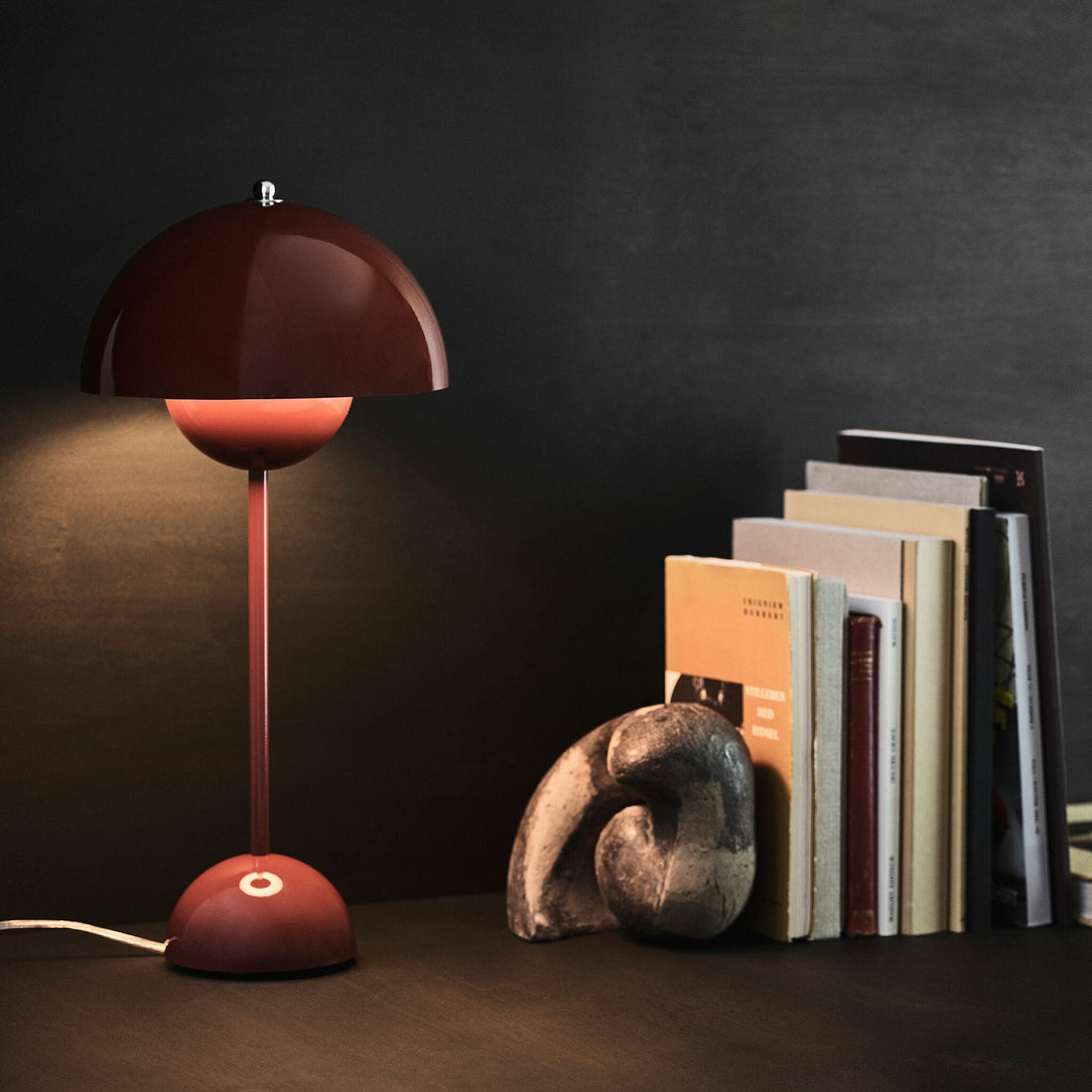
Less space doesn't mean a lower quality of living. With the right furniture, a well thought-out layout and a considered approach to colour, light and storage, even small rooms can feel spacious, homely and personal. Yet it's often supposedly correct interior rules that limit their potential. Discover 12 common mistakes when furnishing small rooms and find out how to make the most of your living space.
Smaller floor plans are becoming increasingly common, especially in cities. But that doesn't mean you have to do without comfort or stylish design. Instead, small rooms give you the chance to plan more creatively and choose more consciously.
1. Choosing small furniture for small rooms
A common misconception is that the smaller the room, the smaller the furniture should be. In fact, the opposite can be true.
Too many small pieces of furniture can quickly make a room feel busy. A generous sofa, a normal-sized dining table or a tall shelf can give a small room structure and depth.
The key is balance: let one striking piece take centre stage while smaller elements complement the room. That creates a harmonious overall look that doesn't feel overloaded.

2. Combining too many functions in one room
Small flats often have to do several jobs at once. One room can be a living room, workspace and guest room all in one – but only with clear planning.
Rather than fitting in as many functions as possible, think about which uses really matter. Deliberate zoning helps you separate different areas from one another.
Flexible furniture and well thought-out interior solutions help make rooms versatile without losing their clarity.
3. Using only light colours
Light colours are often the first choice for small rooms because they can create a sense of space. But darker shades have their appeal too.
Strong colours can give a room depth and create a particularly cosy atmosphere. Small rooms in particular sometimes benefit from a homely, cocoon-like feel.
What matters is less the colour itself than the interplay of light, materials and furnishings. Dark rooms can look spacious and elegant too.

4. Collecting too many things without a plan
Less space doesn't mean giving up your personal belongings. But small rooms benefit from a more considered selection.
Instead of keeping lots of things on display, it's worth showcasing your favourite pieces deliberately. That way you create a home with personality without the room feeling overloaded.
Paring back can help you focus on the things that really matter – and brings more calm to everyday life at the same time.
5. Hiding everything behind closed doors
Storage is especially important in small rooms. Cupboards and closed storage solutions help you keep things tidy.
Even so, not everything has to disappear from view. Open shelves, personal objects and carefully placed decorations give a room character.
The best solution is a mix of practical storage and open areas that give the room personality.

6. Making small flats completely open-plan
Open floor plans can feel spacious, but they still need structure. In small flats in particular, a clear layout can help create different areas.
Flexible room dividers, shelving or textile elements can separate areas without making the room look smaller.
This creates more privacy while keeping the open feel.
7. Using only one light source
A single ceiling light is rarely enough to light a small room well. Different light sources create more depth and atmosphere.
Indirect light, smaller lights and targeted lighting for individual areas make rooms feel more homely. Lighting up the walls in particular can help open up the room visually.
Light is one of the most important design elements – especially where space is limited.
8. Putting all the furniture against the walls
Many people try to create as much free space as possible in the middle of the room by placing all the furniture against the walls. But that can quickly make a room feel impersonal.
Small rooms also benefit from a well thought-out arrangement with small islands. A free-standing sofa or an armchair can create structure and give the room more depth.
Well-planned walkways remain important, so the room stays functional.

9. Avoiding open shelving
In small rooms, open shelving sometimes has a reputation for quickly looking cluttered. With the right styling, though, it can do exactly the opposite.
It offers extra storage without taking up much floor space. Shelving looks particularly harmonious when its colours and materials are matched to the room.
That way, a shelf isn't just practical – it also becomes a stage for books, mementoes and special objects.
10. Thinking small rooms offer no design options
Less space doesn't mean less creativity. Limitations often lead to particularly exciting interior ideas.
Multifunctional furniture, flexible solutions and unusual layouts show just how versatile small flats can be.
A small room doesn't call for less design – it calls for more considered design.
11. Leaving walls bare to make the room look bigger
Empty walls don't automatically create more space. In small flats especially, every area should be put to good use.
Mirrors, for example, are a tried-and-tested way to make rooms look bigger. They reflect light and create more depth.
Using wall space for shelves or artworks can also help make a room feel more personal and lively.

12. Choosing a uniform style without contrasts
A calm colour and material concept can give a small room structure. Still, the interior shouldn't become too uniform.
Different materials, textures and a few special pieces create interest and personality.
Small rooms can be individual too. A harmonious home doesn't come from perfection, but from combining function, comfort and personal taste.
Small rooms with big possibilities
The size of a room doesn't decide how high-quality or cosy it feels. With careful planning, suitable furniture and a considered approach to colours and materials, even compact living areas can be furnished in style.
Small rooms aren't a limitation – they're an invitation to be more creative with your home.