Cosy dining room lighting: ideas for the right atmosphere
The dining room is much more than a place to eat. It's where the family gathers, friends get together, children draw and play, conversations happen and shared memories are made. The dining table is often at the heart of everyday life – and the right lighting goes a long way towards making the space feel welcoming and cosy.
A well-planned combination of direct and indirect light shows your dining room at its best. The key is the right height, a suitable spread of light and a light that suits the size and shape of your dining table. We'll show you what to consider when planning and how to create a warm atmosphere with the right light.
Lighting design: the basis of a cosy dining room
Ideally, start planning your dining room lighting before you move in. Think early on about where the dining table will go, where the power points are and whether you'd like additional light sources such as wall lights or table lamps.
Existing rooms can easily be improved, too. Start by asking yourself:
- Where is the dining table?
- Which areas do you want to highlight?
- Where could you create cosy pools of light?
- What do you do at the table?
Good lighting does more than serve a practical purpose. Colour temperature, brightness and the placement of different lights have a major influence on the mood of a room.
The right mix of light sources
Harmonious dining room lighting comes from several light sources working together. A classic pendant light above the table is usually the focal point, complemented by other lights.
A particularly effective combination includes:
-
Pendant lights above the dining table for direct light when you're eating, working or playing
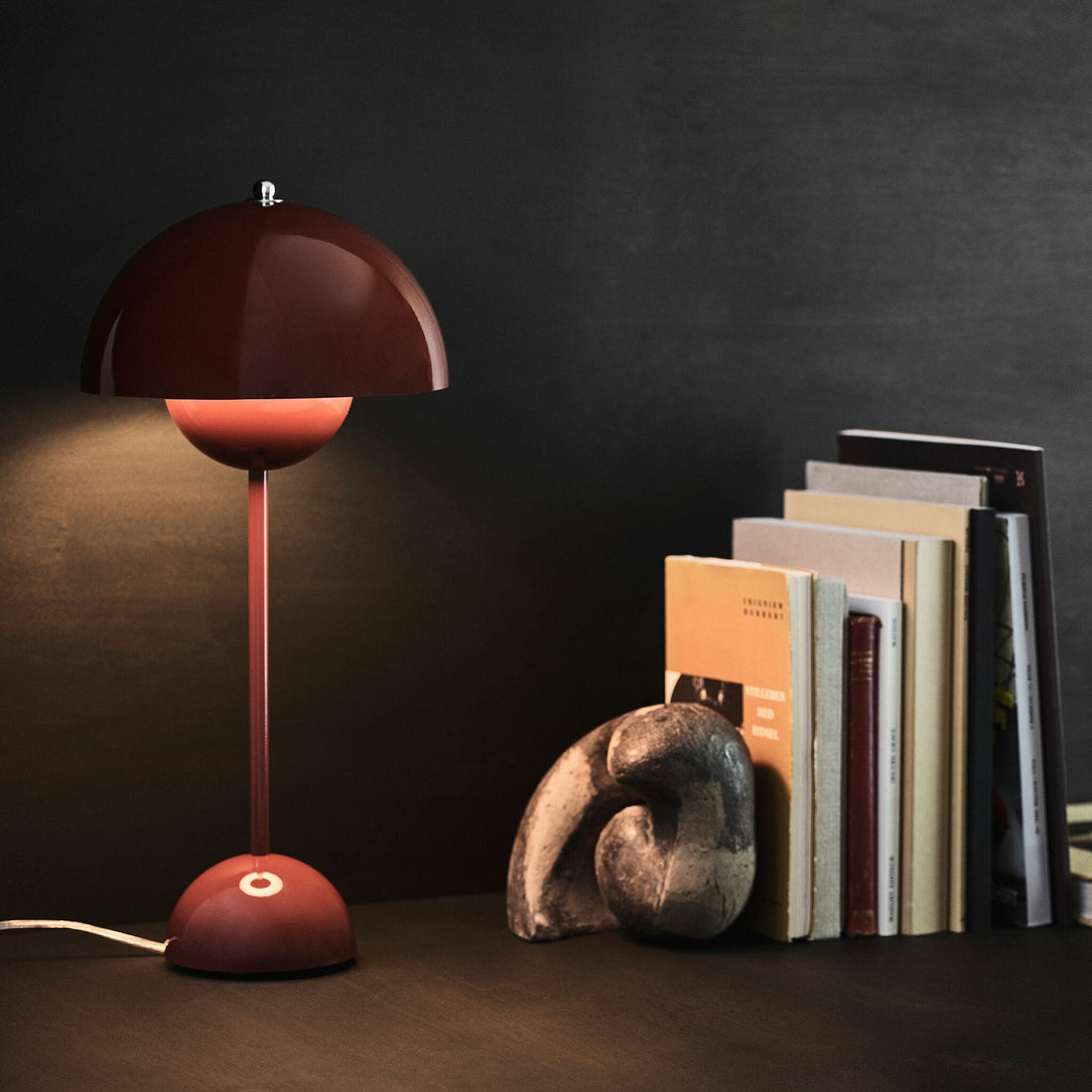
- Table lamps on sideboards for additional accents
- Wall lights for indirect lighting and a pleasant ambient glow
- Floor lamps for flexible pools of light around the room
A dimmer lets you adjust the brightness whenever you like. Bright light works well for homework or working together, for example, while softer light creates a cosy atmosphere in the evening.
Which light suits my dining area?
Your dining room light should not only provide enough light, but also complement your table and interior. Its shape, material and colour influence the look of the whole room.
A solid-wood table with Scandinavian furniture looks particularly harmonious with simple pendant lights in natural materials. Modern glass tables or leather furniture, on the other hand, pair well with minimalist metal lights. For an industrial look, choose lights with exposed bulbs and striking shapes – for a sculptural accent, try the Melt pendant light by Tom Dixon.
The shade material also shapes the effect of the light: opal glass gives a soft, diffused light, while open or directional lights create stronger accents. This makes the light a central design element in your dining area.
Above all, consider the balance between table and light:
- A light that's too large can dominate the room.
- A light that's too small can easily look lost.
- Aim for well-balanced proportions.

Which light suits the shape of your dining table?
The shape of your dining table is often the best guide to choosing the right lighting.
Round dining tables
A round pendant light hung centrally above a round table looks particularly harmonious. It focuses the light and makes the table the focal point of the room.
Alternatively, you can arrange several smaller lights at different heights for a lively, individual look.
Rectangular dining tables
For a rectangular table, a long pendant light works well. Alternatively, hang several pendant lights side by side: spaced evenly, they light the whole tabletop and create a balanced look.
An odd number of lights looks particularly elegant – three pendants in a row, for example.

How high should a light hang above the dining table?
For comfortable lighting, hang a pendant light about 60 to 70 centimetres above the tabletop. What matters is the distance between the tabletop and the lower edge of the light. The ideal height may vary slightly depending on the ceiling height, the size of the table and the shape of the light.
This lets your guests keep eye contact, and the light won't dazzle anyone. Height-adjustable pendant lights offer extra flexibility: pull the light closer to the table when you need to concentrate, and raise it again for meals.

How many lights do I need above the dining table?
The number of lights depends on the size of the table and the light. What matters is that the whole tabletop is well lit without the light causing glare.
- A single pendant light often suits a small table.
- For longer dining tables from around 180 centimetres, several lights or one long design will give even lighting.
- Several lights in a row add structure and a modern look.
- Remember: it's not just about the amount of light, but also the atmosphere the design creates.

Which light is best for the dining table?
Warm white light is ideal for living and dining areas. A colour temperature of 2,700 to 3,000 kelvin creates a pleasant, homely atmosphere.
Ideally, the light should also be glare-free and dimmable. This lets you change the atmosphere as you need – from a bright family meal to a relaxed evening with friends. Lights with a diffused spread of light illuminate a larger area of the table.

Alternatives to the classic pendant light
Not every dining table can have a ceiling light above it. Perhaps the table is under a sloped ceiling, or the electrical connection isn't in the right place.
There are stylish solutions for this, too:
Arc lamps
An elegant arc lamp can light the dining table from the side and only needs a socket at floor level. Designs with a slim, high arc work particularly well.
Wall lights with an adjustable arm
Extendable wall lights are a practical alternative. Mount them on the wall and swing them over the table when you need them – ideal for flexible living spaces.

In conclusion: the right light makes your dining room a favourite place
The ideal dining room lighting combines function with atmosphere. Pay attention to the right height, a suitable spread of light, sufficient brightness and a harmonious design, and a simple dining area becomes a place where you feel at home – with a well-chosen pendant light, complemented by indirect light sources and the right colour temperature.
Good lighting is part of everyday life. It sets the mood for shared meals, creative hours and relaxed evenings – and makes the dining room the heart of your home.