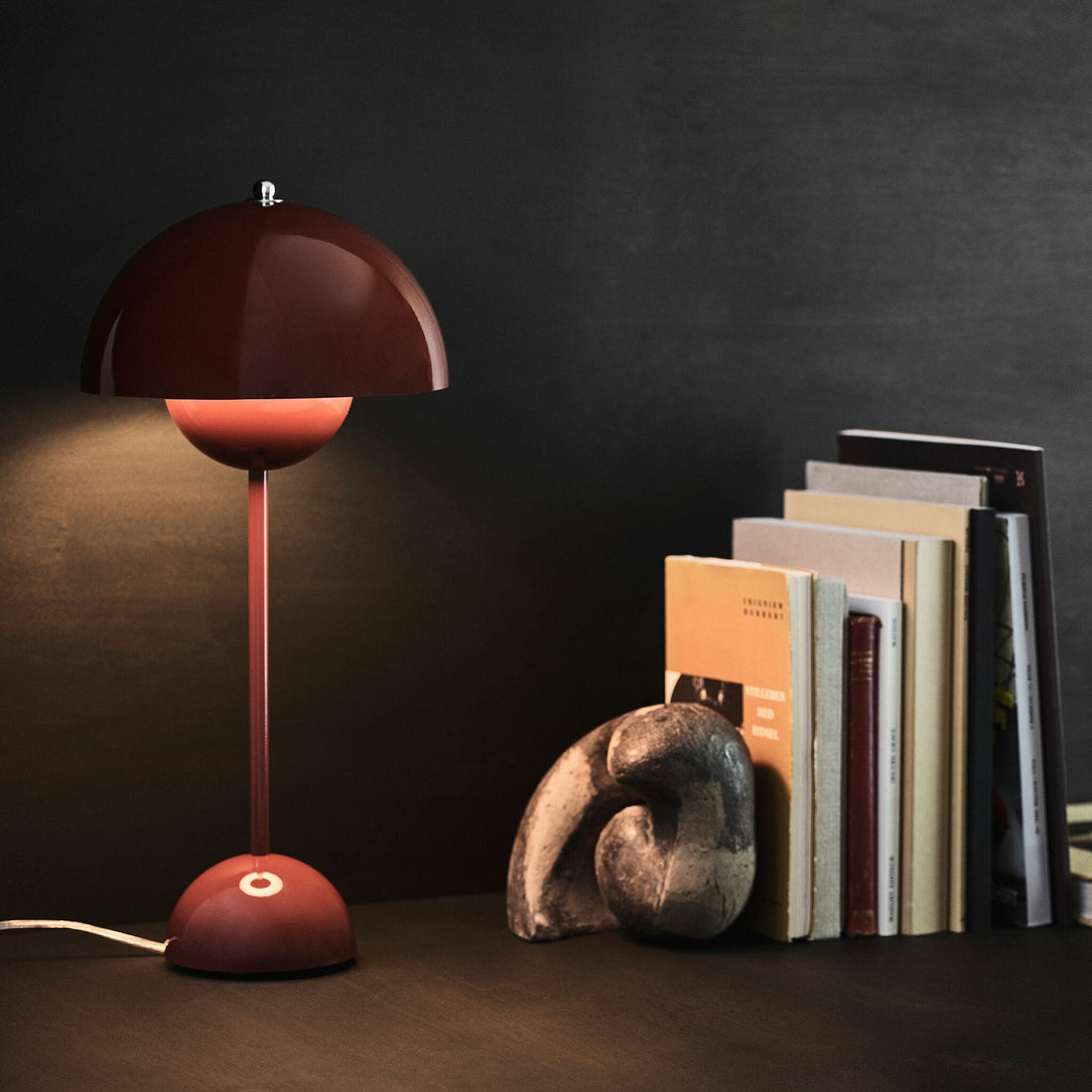
Warm interiors: ideas and tips for a cosier home
A home is more than a collection of beautiful furniture. It's a place that shows personality, conveys a sense of security and makes you feel at ease. The moment you walk into a room, you get a sense of whether the atmosphere feels warm and harmonious. That's down not just to furniture and accessories but above all to the interplay of colours, materials, light and individual details.
Living room, dining room or bedroom: with the right design ideas, you can turn any room into a cosy, feel-good retreat. We'll show you how natural materials, atmospheric lighting and carefully chosen design pieces create a warm feel.
Cosiness starts with the right materials
Warm rooms appeal to all the senses. Soft textiles, natural surfaces and high-quality materials instantly create a cosy atmosphere. Rugs, cushions and throws in warm tones bring texture and comfort into the room and invite you to relax.
Wood in particular plays a central role in a cosy interior. Whether as a table, shelf, chair or flooring, the natural look of the material brings warmth and calm to your living space. Combined with high-quality designer furniture, the result is a timeless interior full of personality.

Create a warm atmosphere with light
The right lighting is one of the most important elements of a cosy interior. While daylight sets the basic mood of a room, artificial lighting creates atmosphere in the evening.
Rather than relying on a single central light source, it's best to use a mix of different lights:
-
Floor lamps next to the sofa create a cosy corner for reading and relaxing.
-
Table lamps on sideboards or side tables add warm accents of light.
-
Wall lights in the dining room provide pleasant ambient lighting.
-
Dimmable lights let you adjust the mood flexibly to the moment.
Choosing the right bulb is also important. Warm white, glare-free and dimmable light makes rooms feel more harmonious and supports a relaxed atmosphere.
Colours that make rooms feel warmer
Colours have a decisive influence on how we perceive a room. So when you're planning your design, don't just look at the wall colour on its own – always consider how walls, furniture, floors and accessories work together.
Light natural tones such as cream, sand or taupe are particularly well suited to smaller rooms. They make rooms look more spacious and reflect the available daylight. Furniture in light or dark wood complements these colour palettes particularly well.
Darker shades can also create a cosy feel. In the bedroom, for example, petrol blue, graphite or warm earthy tones create a calm, sheltered mood. The important thing is to stay within one colour family so the room doesn't look restless.

Create interest with contrasts
A warm interior doesn't mean everything has to look the same. Deliberate contrasts are what give a room character.
One option is to combine different shades from the same colour family. For example, you could pair a light wall colour with darker flooring. This adds depth and can make rooms look longer.
In period homes with high ceilings, it's also worth looking up: a ceiling painted in a darker colour can make a large room feel cosier and balance the proportions.
Furniture with personality: how to create an individual home
Cosiness doesn't come from a fixed interior concept. What matters is that rooms suit the people who live in them.
If you prefer a calm, harmonious atmosphere, you'll often go for selected design pieces, natural colours and high-quality materials. A few special pieces of furniture can have more impact than lots of individual decorative items.
If you have an active lifestyle, on the other hand, you'll often benefit from flexible furniture that serves several purposes. Extendable tables, modular sofas and multifunctional pieces adapt to different situations and combine design with everyday practicality.
If you love entertaining, things can be more generous: large dining tables, comfortable sofas and open-plan living areas create the perfect setting for time spent with family and friends.
Small changes with a big impact
A cosy interior doesn't always mean a complete makeover. Even small adjustments can change the feel of a room:
-
Add textiles such as cushions, throws or rugs.
-
Create several light sources instead of a single bright lamp.
-
Combine natural materials such as wood, wool or stone.
-
Use individual design objects as deliberate eye-catchers.
-
Aim for a harmonious colour palette.

Conclusion: warmth comes from atmosphere
A cosy home is created by the interplay of many small details. Colours, light, materials and furniture tell a story together and make rooms personal.
Minimalist, elegant or full of favourite pieces: the most important rule is that your interior should suit your lifestyle. Because true cosiness happens where design doesn't just look beautiful but feels good too.