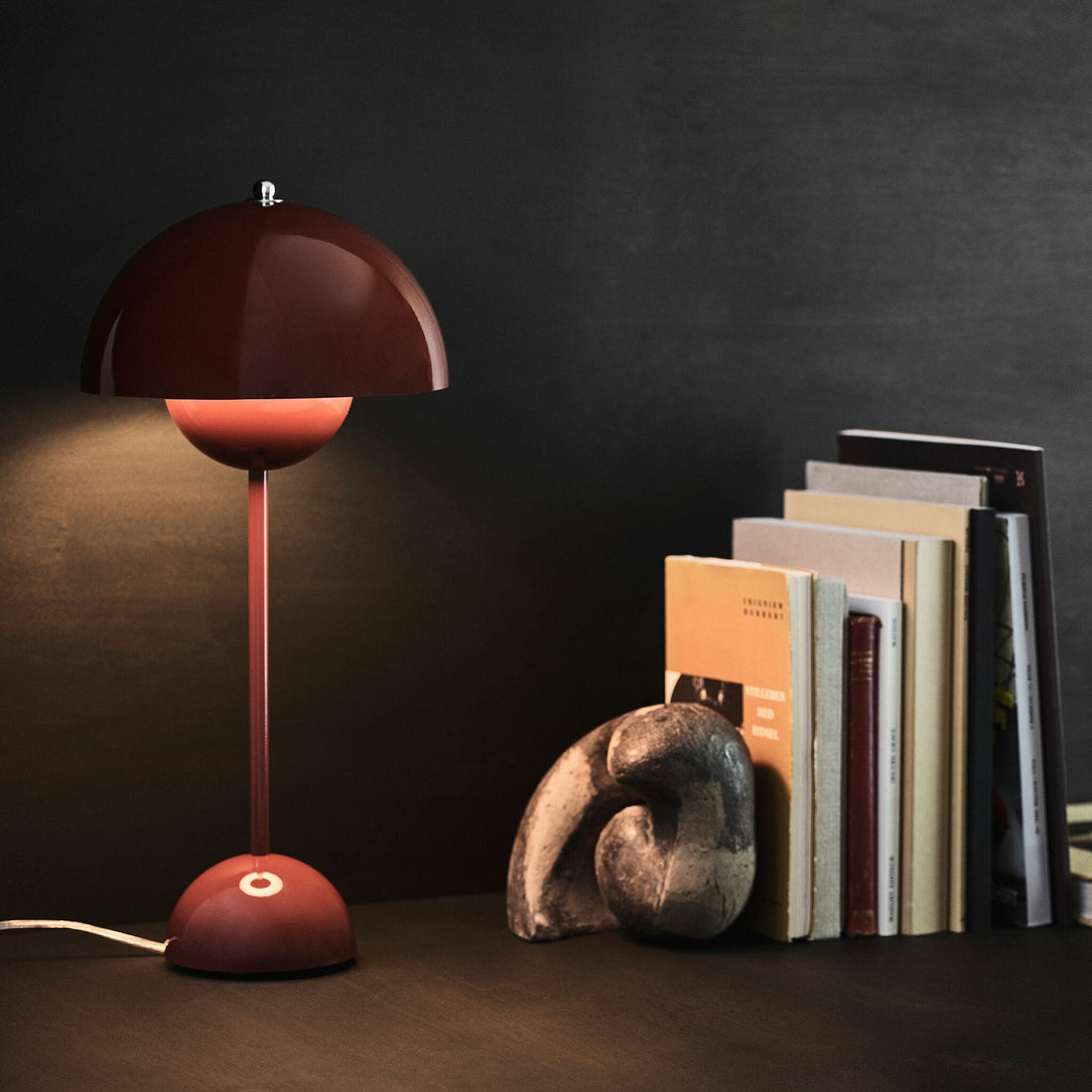
For some years now, "Japandi" has been a recurring topic at the major interior trade fairs and in design magazines – a modern mix of Scandinavian and Japanese style. The far north and the Far East, Scandinavian cosiness and Japanese purism – surely they don't go together? Oh, but they do. We'll show you how to bring together the best of both worlds. With a few simple tricks, you can create a harmonious Japandi look, step by step.
Your step-by-step guide to Japandi style:
- Hygge meets wabi-sabi: the origins and philosophy of the Japandi trend
- The motto: less is more
- Back to nature: natural materials add texture
- A soft presence: organic shapes for understated cosiness
- Neutral colours: Japandi interiors from light to dark
- Pared-back decor: statement accessories in Japandi style
1. Hygge meets wabi-sabi: the origins and philosophy of the trend
Before you start restyling your home, it's worth looking at where this popular interior style comes from. Understanding its roots is what gives your living space genuine Japandi character.

At first glance, Japan and Scandinavia may not have much in common. But they share one important thing: their idea of happiness. The Scandinavian concept of hygge, which roughly means homely cosiness, focuses on what really matters in life. Being content with what you have and with your own thoughts, far away from the computer. Long walks in nature, unhurried visits to the sauna and a natural, cosy atmosphere that reflects all of this.

In Japan, people love the beauty of imperfection, known as wabi-sabi. It shows the traces of life and time and brings an authentic, natural quality. Gardens are tended with devotion, and a tea ceremony is enjoyed at leisure. It soon becomes clear that both cultures share a passion for slowing down, for focusing on the essentials and on nature, and a love of keeping old traditions alive. These are the cornerstones of the Japandi look.

Clean shapes, high-quality natural materials and a purist design language that interprets minimalism in a uniquely sensitive and warm way: together, they create an interior style that is much more than Japandi design. Japandi is a feeling of conscious happiness that can turn any room into your own small, personal retreat.
2. The motto: less is more

In Scandinavia, people have long preferred to buy a few high-quality, timeless pieces that last for generations. Cluttered rooms and countless decorative objects have no place here. People only buy things that genuinely serve a purpose – which doesn't mean that these useful everyday items can't also be beautifully designed.

It's a similar story in Japan. Marie Kondo is known around the world as the queen of tidying up and shows how to declutter properly: anything unnecessary goes, many things are systematically reduced to the smallest possible size and hidden behind cupboard doors, and only special pieces stay on display. The result is clean, structured rooms that are reduced to the essentials and radiate calm.

An authentic Japandi look takes the courage to leave walls bare and spaces open. Think about which furniture and accessories you really need in each room. What purpose do they serve, and what do they mean to you? Buy less, but choose more special pieces – and give yourself and your thoughts room to breathe.
3. Back to nature: natural materials add texture to a room

When it comes to materials, Scandinavia and Japan also meet. In the Far East, the focus is on paper, bamboo, stoneware, linen and rattan.
In the Scandinavian countries, robust woods, wool and ceramics have a long tradition – living materials that gain in value and beauty over the years. And so does the furniture made from them. No wonder sustainability-minded Scandinavian brands such as Form & Refine have dedicated themselves to these materials, using them to create durable, timeless furniture that will stay with you at home for decades.

The best part: when you combine the beautiful materials of these two styles, you create a wonderfully natural and interesting look that adds texture to any room without feeling busy. These understated materials work beautifully together and bring nature into your home. Our tip for even more Japanese flair: choose light wooden furniture, but also add the occasional dark wood piece. It looks particularly elegant and is reminiscent of Japanese interiors.
4. A soft presence: organic shapes for understated cosiness

Clean edges and straight lines play a central role in a Japandi interior. To complete the look, however, you also need organic shapes. Rounded edges and flowing contours show the beauty of imperfection and give a room personality and a sense of cosiness – whether in a side table, a mirror, a sofa or decorative ceramics.

Here, too, less is more. Choose just a few organically shaped pieces as highlights to complement your straight-lined furniture.
5. Neutral colours: Japandi interiors from light to dark

Like the materials, the colours of Japandi style are inspired by the natural surroundings of both regions. For the soft calm that is so typical of Japandi, use various light shades of beige as a base. They pair beautifully with warm wood tones and have their origins in Scandi style.

Darker earthy shades such as brown and black come from Japanese interiors and create a relaxed focal point with depth. Pastel shades, which are especially typical of Scandinavian style, also find their way into the Japandi home.

Light, warm blues, greens, yellows and berry tones inspired by nature are used here – carefully chosen and in small doses.
6. Pared-back decor: statement accessories in Japandi style

In line with the philosophy of happiness shared by both cultures, the motto for Japandi decorating is: focus on the essentials. Embrace empty surfaces that open up the room, and only decorate with objects that serve a purpose. That doesn't mean you have to do without decorative pieces altogether.

Carefully chosen statement accessories round off the Japandi look and give it its characteristic warmth. Straight-lined wooden trays, round mirrors, organically shaped vases, handmade stoneware dinnerware and paper table lamps are not just practical – they also bring genuine Japandi flair to your home.

Complete the look with cotton or linen throws, understated posters and tall green houseplants in stone or rattan pots.