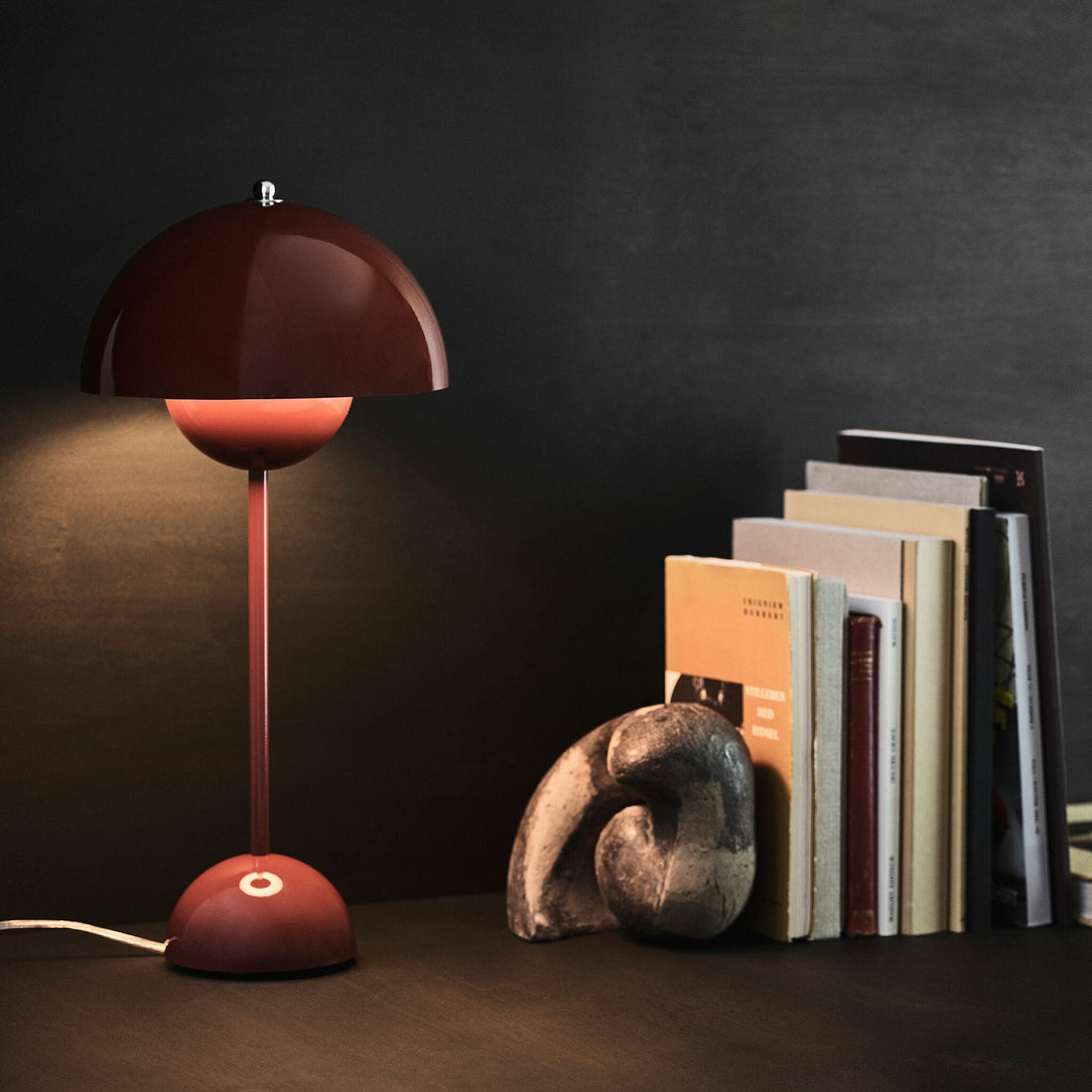
Felt is reliable protection against the cold and creates a warm atmosphere. Nomadic peoples in Mongolia still use this soft natural material to insulate their traditional yurts. In Europe, it's better known as a crafting favourite, but designers around the world are discovering felt and its many advantages. More and more designs are finished with a tactile felt detail. Find out everything about this exceptional material.
Buying felt design – what to look out for:
- What is felt made of?
- Properties of felt: what you should know about the material
- From the living room to the office: uses for felt
- Felt – the right care
- How do I clean felt?
What is felt made of?
Classic felt is made of pure new wool, but other natural and synthetic fibres can also be used. Depending on the intended use, manufacturers blend different fibres to meet different requirements. Felt is therefore also made from animal hair, cotton, hemp, sisal, silk, coir, polyester and many other materials.

How is felt made?
Researchers believe that people in the Stone Age already knew how to make felt. Since it requires no tools, felting came about before thread or yarn were invented. Felt is created when individual fibres bind together to form a firm textile. There are two main production processes: dry felting and wet felting.
In wet felting, natural fibres are worked together with warm water and soap. This process makes the scales on the fibres stand up and interlock. It's a traditional craft that is still practised all over the world today. Brands such as myfelt and ames rely on handmade felt from Nepal and Colombia.

Dry felting is common in industrial production and is also suitable for synthetic fibres. Here, needles interlock the material.
Properties of felt: what you should know about the material
Felt is a robust, durable natural material. Its dense structure makes it heat-insulating and sound-absorbing. Even so, the material remains breathable and surprisingly easy to care for. Wool has a natural fat content that makes the textile particularly dirt-repellent.

Made from new wool, a natural fibre, the material is renewable and therefore environmentally sound. But synthetic fibres can be sustainable too. Designer Mika Tolvanen created his Restore baskets for Muuto from recycled PET bottles. He designed their surface to look and feel like natural felt.
From the living room to the office: uses for felt
Living room: inviting felt fabrics for your sofa and more
As the heart of our home, the living room should feel especially cosy and inviting. Felt is ideal for creating a warm, natural atmosphere. Enjoy the tactile qualities of this natural material by choosing a sofa with a felt cover. Its surface is not only durable but also gentle on the skin. The Danish furniture manufacturer Softline even developed its own felt upholstery fabric for its upholstered furniture: Softline felt, a special blend of wool and synthetic fibres.

When you're looking for a new log basket, one made of felt may seem impractical and fragile. Yet felt is surprisingly sturdy and easily holds the weight of several logs. A wide handle completes the simple design and makes it comfortable to carry. Care is minimal, as the dense material and its natural fat content repel dirt – ideal for unprocessed logs.

These woolly storage helpers aren't just useful for firewood. As toy boxes or laundry bags, felt baskets add a cosy touch. Smaller felt boxes are good for storing everyday items or make a decorative eye-catcher in your home.
Dining room: felt for chairs and tables
Felt placemats and coasters reliably protect your dining table from dirt, scratches and heat. They are also a stylish, understated addition to your table setting. You'll find classic placemats made of pure wool from the Scandinavian brand HAY, for example. If you're looking for a natural eye-catcher, take a look at the coasters from myfelt. Made of numerous handmade felt balls, they add a playful accent to your dining table.

Make your dining chairs more comfortable with an additional felt seat pad. For many design classics, such as the Eames Plastic Side Chair and the Panton Chair, you'll find specially made felt pads that fit the seat of your chair perfectly. Other chairs also benefit from comfortable felt pads. An additional non-slip coating stops the pad from slipping.
Office: a feel-good atmosphere at work
Felt room dividers not only provide attractive privacy, the dense material also naturally dampens sound. Thanks to its elegant, homely design, a felt room divider is just as welcome at home.

Smaller accessories, such as practical felt pinboards and tablet sleeves, make everyday office life easier and are designed to last.
Bedroom: creating warmth and comfort with felt
Add felt accents to your bedroom. Cushions made of this woolly natural material create an interesting contrast to other textiles.

Felt rugs don't just create a cosy atmosphere – their dense structure retains heat, which is especially welcome on cold days. Place a felt rug in your bedroom and start the day with pleasantly warm feet.
Fashion: the felt bag as a reliable companion
With its distinctive look, felt is also popular in the fashion world. Fashion lovers appreciate felt bags for their minimalist look and robust qualities.

Felt – the right care
The natural fat content of the wool and its dense structure stop dirt from penetrating quickly. Thanks to the self-cleaning properties of the wool structure, felt hardly absorbs any odours, so it smells fresh again after a short airing. All you need to do is remove coarse dirt. Beat the dirt out of your felt rug or vacuum it once or twice a week with a special brush attachment, for example.

How do I clean felt?
Every felt fabric has different requirements depending on how it is made and what it is made of. Check the manufacturer's cleaning instructions.
Some products can be machine-washed on the wool programme with a suitable detergent. Use as little spinning as possible. Hand washing is a much gentler method. Here, too, you can use wool detergent or, alternatively, a shampoo. After washing, lay your product flat to dry and reshape it if necessary.

Many manufacturers recommend spot-cleaning felt only, as some felt items lose their shape, structure or colour in the wash. A damp cloth is often enough to remove marks. Ask the manufacturer which cleaning products they recommend. As wool felt is a natural material, it's important that your cleaning product is particularly gentle and re-oiling. Soak up any remaining liquid with a dry cloth.
Dry cleaning is also an option for many products.

With the right care, your felt product will be a hard-wearing companion that you'll enjoy for a long time. Enjoy this pleasant natural material!