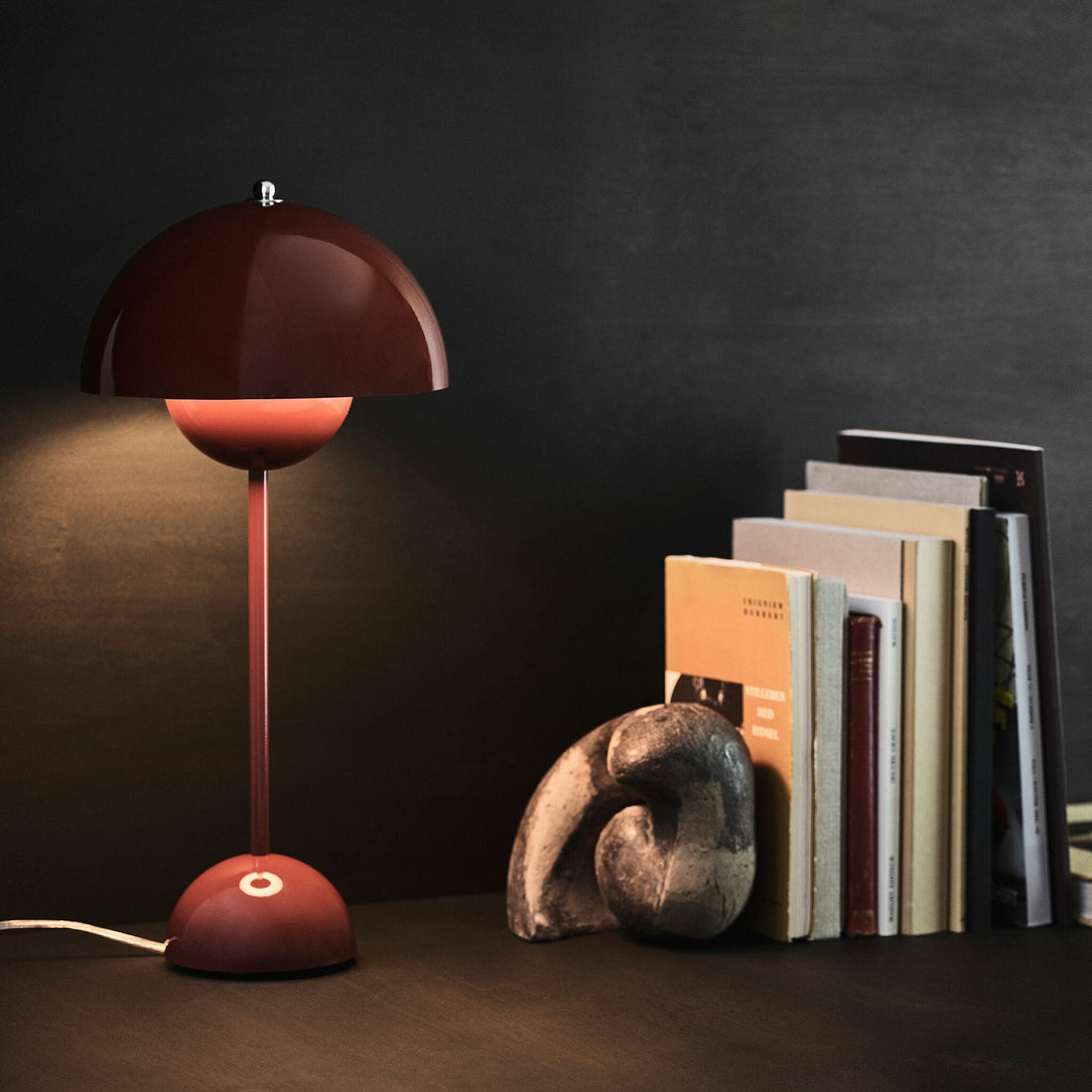
A beautifully furnished room is a feast for the eyes. But what about the ears? With open-plan layouts, high ceilings, lots of glass and smooth surfaces, one aspect is often overlooked: room acoustics. Conversation, music or silence – the way we experience sound in a room has a major influence on how comfortable a home feels. And that quality starts with product design.
Atmosphere comes from light, acoustics and touch
We spoke to product designer Gesa Hansen about the role of acoustics in the design process – and about ways to create a home that sounds as good as it looks.

Gesa Hansen always thinks about spaces as a whole. For her, good interior design doesn't start with colour or form, but with atmosphere – and that comes from light, acoustics and touch.
"I know a lot of private homes that are acoustically unpleasant," she says.
"Light, acoustics and touch have to work together for you to feel comfortable. When we design a room, we actually start with the acoustics and the lighting mood before moving on to materials."
There are various ways to shape the acoustics of a room deliberately – whether at the start of the design process or later on. Instead of technical solutions, all it takes is a feel for choosing and arranging objects and materials.
Simple fix no. 1: textiles
Few design elements improve room acoustics as effectively and elegantly as textiles. These include:
- deep-pile rugs
- heavy curtains made of cotton or velvet
- generously sized upholstered furniture
They absorb sound waves and create a softer sound.

Decorative elements such as cushions, throws or fabric-covered wall art can also have a surprisingly big effect, especially when you combine different materials and textures. The more variety, the better the sound is diffused.
Furnish strategically, but keep it balanced
The layout of a room plays a key role in its acoustics: large, empty surfaces reflect a lot of sound. Furniture with mass and structure helps here.
- Bookshelves with open compartments act as natural sound diffusers.
- Upholstered seating with high backrests or upholstered benches placed against the wall absorb unwanted noise.
- Room dividers, plants and folding screens structure the room visually and act as acoustic buffers at the same time.

Balance is what matters. Gesa Hansen's advice: "Work with contrasts: cold and warm, hard and soft. That's how you create a balanced feel in a room."
The acoustic potential of walls and ceilings
If you want to improve the sound in a room, don't forget the vertical surfaces. Walls and ceilings have great potential to improve room acoustics.

Acoustic panels made of wooden slats or felt are now available in high-quality designs that feel at home in a living space. They combine function with visual appeal and are particularly suitable for large walls or stairwells.
Inspiration from France: toile tendue
Gesa Hansen describes a technique that is common in France: entire walls are covered in fabric. The base is lightly padded, and the fabric is stretched over it to absorb sound. The technique is called "toile tendue".
Less radical, but effective
After buying her house, a friend of Gesa Hansen's covered the walls of one room entirely in fabric. The effect was impressive: the whole room now feels soft and warm.
"In Germany, people tend to be a bit more minimalist," says Gesa Hansen. "But there are less radical alternatives here too."

A creative yet effective solution is ceiling lights with fabric shades or wooden details that dampen sound. In rooms with high ceilings in particular, combining an acoustically effective ceiling light with textile wall surfaces – such as fabric-covered wall art or wall hangings – can work wonders.
Natural materials also score on acoustics
Wood, wool, cork, linen – they all absorb sound naturally. Combined, they create a pleasant, organic soundscape. "In my designs, I pay particular attention to materials that live and can age," explains Gesa. "They develop a patina and last for years – and they often feel and sound better, too."

Natural materials are not just a visual statement but an acoustic one too: the less sealed and the more textured a surface is, the more sound it absorbs rather than reflects.
Design you can hear
Multisensory considerations come into play long before a room is designed. Acoustics are an integral part of the design process.
"It's like the car industry: what sound does the car door make when you close it? The same question applies to furniture. The materials, the drawers, the type of dampers, the way the drawers close – there are already various ways to influence the sounds a product makes at the design stage," says Gesa.
"It's not just about reducing noise, but also about how a room sounds when you move around in it, talk or use a product. I'm currently designing a bar in Paris in France, and I'm asking myself what it sounds like when someone puts a glass down. With double wooden floors, for example, you can create a different tone."

The sound of a door closing, the satisfying thud of a book on a wooden table or the gentle tinkling of a mother-of-pearl light in the breeze: all of these details can be designed deliberately. Good design starts with the small things – and has an effect on the whole.
A new level of comfort at home
You often only notice how good a room sounds by comparison. Once you've been in a living room with pleasant acoustics, you'll feel the difference straight away – more calm, more depth, more atmosphere. Good sound is more than a luxury; it reflects a deep understanding of what makes a home comfortable. By using textiles, textured surfaces and natural materials deliberately, you don't just make a room look inviting – you shape its atmosphere. So make your home something you can feel. And hear.